
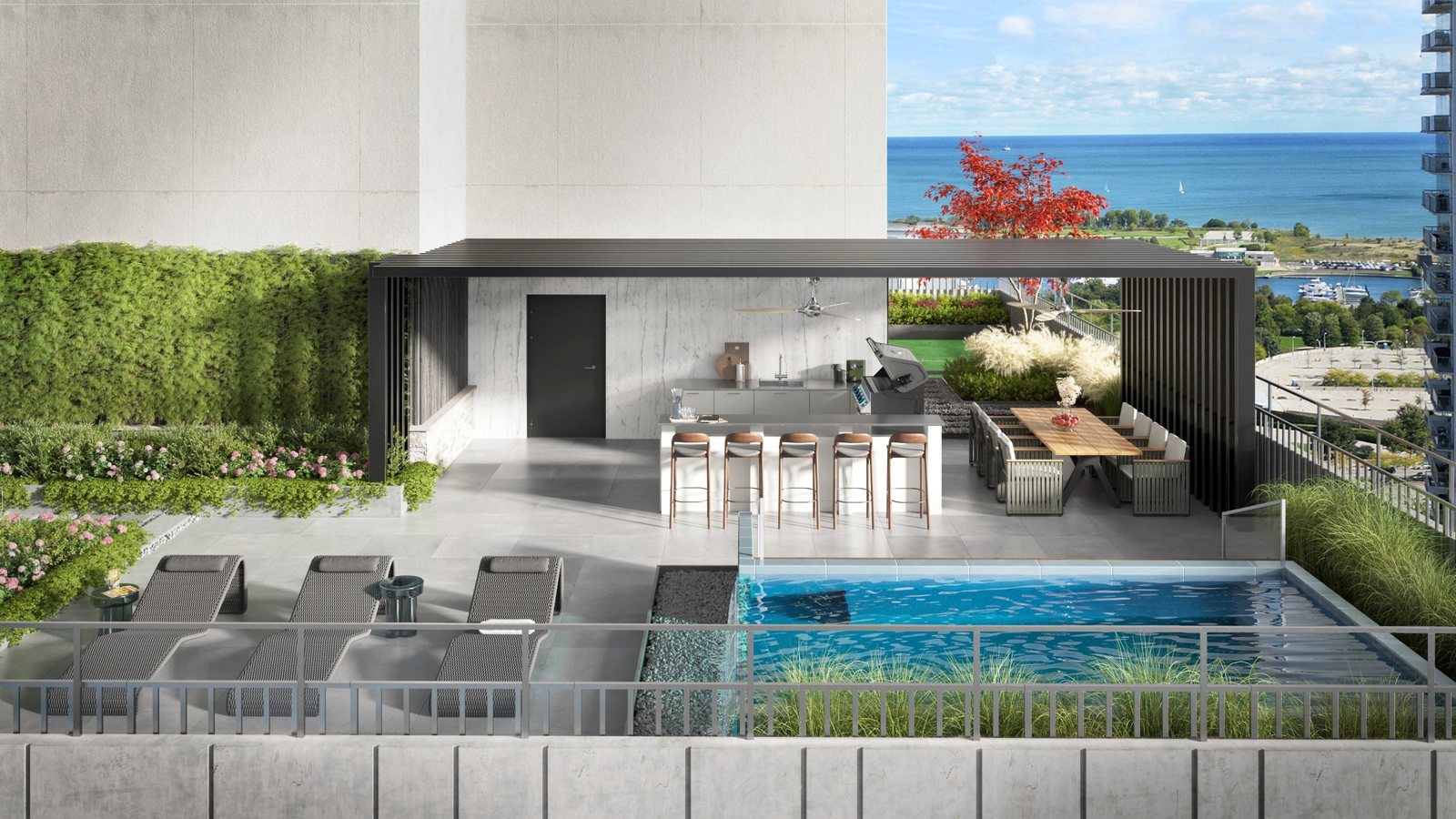
We are starting to see a new challenge in outdoor living, and it is coming from a place that is supposed to help. More and more homeowners are trying to use AI to design their outdoor spaces, and the frustration is becoming obvious the moment we sit down with them.
The issue is not the effort. It is the expectation. AI is not a designer. It does not understand drainage, elevation, utilities, or how a space actually gets built. It cannot account for how people move through a space or how materials perform over time. What it produces may look good on a screen, but most of it cannot be built the way it is shown.
Where AI actually becomes powerful is in a completely different role. It is an incredible tool for exploring ideas. It can help define style, materials, lighting, and overall direction. It opens up a wider palette of possibilities and helps homeowners start to see what they are drawn to.
The problem is when that tool is used to replace the design process instead of support it. That is where confusion sets in. Instead of gaining clarity, homeowners end up with a collection of images that do not translate into a functional or buildable space.
So we decided to approach it differently. We built our own system called the VizX Architectural Mood Board Studio. It is designed to help homeowners define the look and feel of their project in a way that can actually be communicated to a designer or installer. It walks through materials, layout direction, lighting, and overall style before anything gets built.
The goal is not to design the space for you. The goal is to help you understand what you want so the design process becomes clearer and more intentional. When that clarity exists, everything else becomes easier, from planning to budgeting to construction.
AI is not replacing design. But when used correctly, it can make the design process better.
#OutdoorLiving #DesignProcess #AITools #theartofoutdoorliving #vizxdesignstudios