Most homeowners start their outdoor project by calling an installer. It makes sense. They know they want a patio, deck, kitchen, fire feature, or landscaping, so they contact someone who can build it.
The problem is that installation and design are two completely different skills.
An installer is typically focused on building a specific product. A designer is focused on how the entire property works together. Before a single material is selected, a designer is thinking about views, traffic flow, furniture placement, drainage, lighting, grading, plantings, architecture, and how the outdoor spaces connect to the home. Those decisions have a much greater impact on long-term enjoyment and property value than the actual materials being installed.
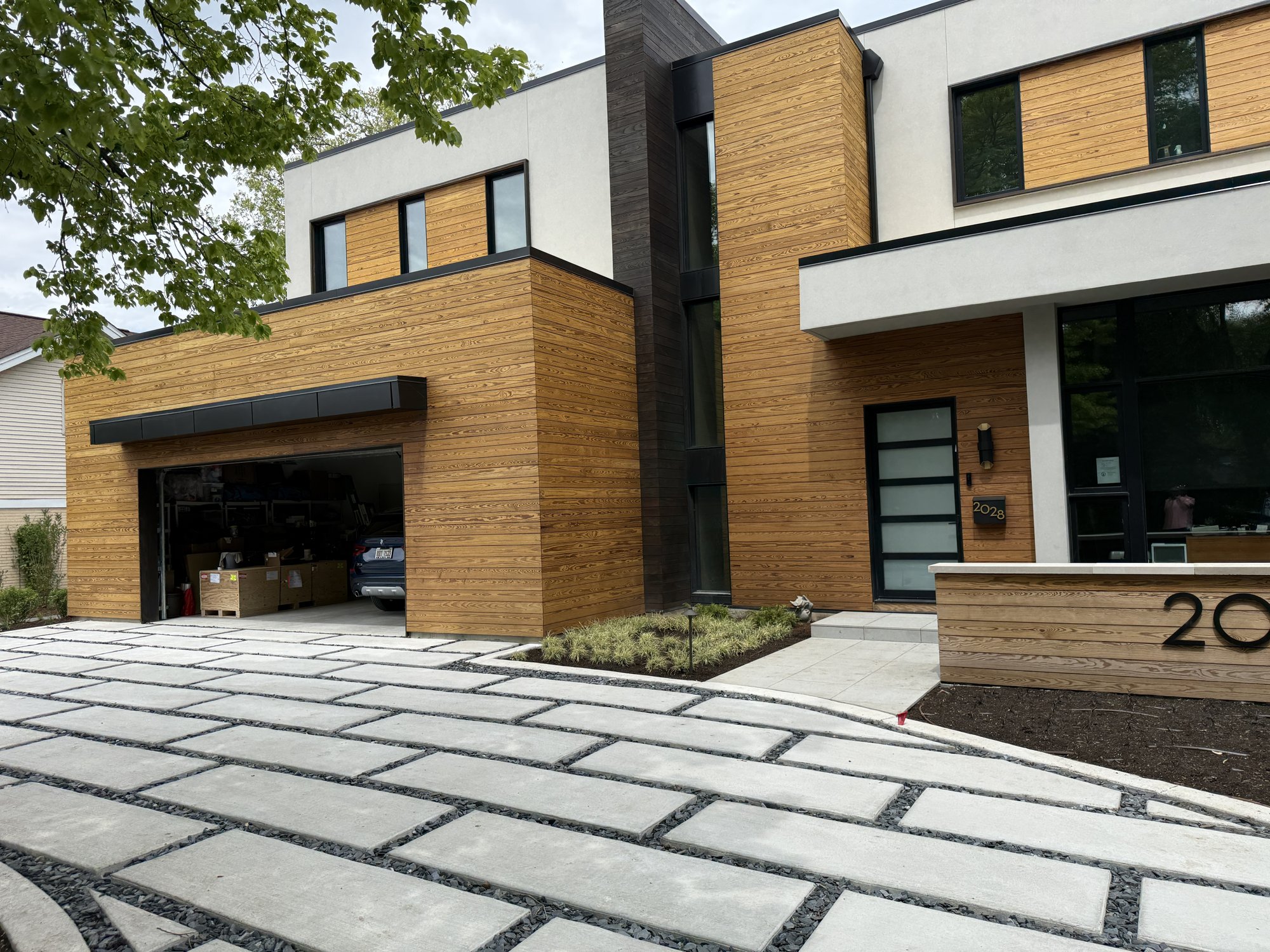
Material and color selections are another major advantage of working with a designer first. Most homeowners can easily become overwhelmed by the thousands of choices available today. Pavers, porcelain tile, natural stone, concrete, lighting, cabinetry, plantings, and architectural details all need to work together. The goal is not simply picking products. The goal is creating a cohesive design that feels like it belongs with the home.
Proper spacing is equally important. One of the biggest mistakes we see is outdoor spaces that are either too large or too small. Fire pits are placed too close to seating. Walkways are too narrow. Dining areas cannot comfortably fit furniture. Kitchens lack adequate working space. These issues are difficult and expensive to fix after construction, but they are easy to solve during the design phase.
Perhaps the most overlooked benefit of professional design is the long-term value it creates. A well-designed master plan can be implemented in phases over several years. Even if the entire project is not built immediately, the vision remains intact. Future improvements can be completed without starting over, and if the property is sold, the plans become an asset that can be passed along to the next owner. The new homeowner inherits a roadmap for the property rather than a collection of disconnected projects.
The biggest difference is simple. An installer builds what exists today. A designer creates a plan for what the property can become. When done correctly, that plan improves functionality, increases property value, and creates a seamless outdoor living experience that can evolve for decades.
That is why the design is often the most valuable part of the entire project.
#OutdoorLiving #DesignFirst #PropertyValue #HomeValue #OutdoorDesign #LandscapeDesign #TheArtOfOutdoorLiving #VizXDesignStudios

